
Francesco Ortiz — home
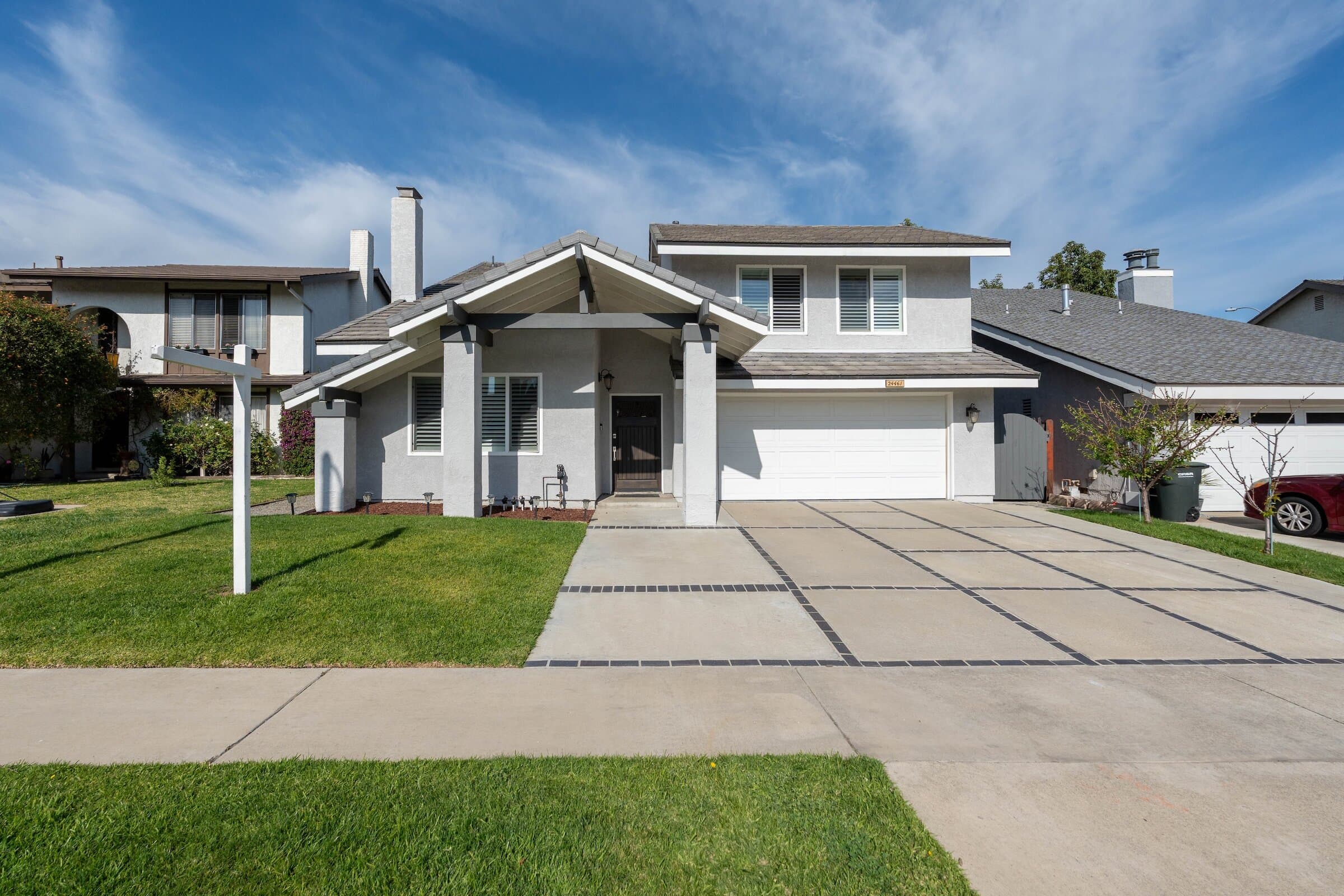
Orange County two-story home exterior, the kind of home an informed offer wins

Buyers · Market Dynamics

The data behind every offer.

Before we write a number on a contract, we read the market. Here are the five inputs that shape every offer I help a buyer put together.

Why it matters

Read the market before you write the offer.

Every offer I help a buyer put together is built from a careful read of recent comparable sales and the way the market around your target neighborhood is moving. The right number on a contract isn't a guess. It's the answer to five questions, in writing, that we work through together before we hit send.

That preparation is what wins homes in a competitive market, and what keeps you from over-paying in a softer one.

Francesco Ortiz

List-to-Sales Price Ratio

What homes actually closed for, against what sellers asked.

The list-to-sales price ratio tells us where negotiating leverage sits in a given neighborhood. When that ratio is above 100%, buyers are competing, homes are closing over ask, and our offer needs to reflect that. When it's well under 100%, sellers are giving room, and we write a more measured number with confidence. I track this ratio at the city, ZIP, and sub-village level so the offer you put in reflects the market your home actually competes in, not a county-wide average.

Notes, comps, and a calculator on a clean desk, the raw inputs behind an offer
Comps, on paper, before a number is ever spoken.

Average Days on Market

How long comparable homes sat before they sold.

Days on market is the clearest read on urgency. Short DOM means well-priced inventory is moving fast and your offer needs to be ready the day the listing hits. Longer DOM means the home has likely had price reductions, the seller is tiring, and there's room to negotiate on price, terms, or concessions. I'll show you the DOM trend for the exact micro-market you're shopping, so we know whether we're moving on day one or asking for a credit on day forty.

A quiet Orange County street at golden hour, homes listed in a neighborhood like this
Pace is a number, not a feeling.

Average Price per Square Foot

The unit price the market is paying right now.

Price per square foot lets us normalize across homes of different sizes and floor plans in the same neighborhood. It's not a perfect metric (view, condition, and lot pull it in either direction), but it's the fastest way to sanity-check a list price against recent closings. Before we ever write an offer, I'll show you the $/sqft band for the last three to six months of comparable sales, and we'll talk through where this specific home should land inside it.

A craftsman-style home exterior, comparable square footage in a real neighborhood
Price, normalized, then adjusted for what makes a home different.

Seller Concessions Offered

What sellers in this market are giving up at the table.

Concessions are the quiet half of every offer. When sellers in your target neighborhood are routinely crediting closing costs, paying for rate buy-downs, or covering inspection-period repairs, that becomes part of what we ask for. When the market is tight and no one is offering concessions, we structure the offer differently, leaning on terms instead of price. Knowing the going rate for concessions in your micro-market is often worth several thousand dollars at closing.

Closing paperwork and keys exchanged on a kitchen counter, concessions live here
Quiet money: the credits and buy-downs other buyers miss.

Focused Micro-Market Data

Your block, your village, not a county-wide headline.

Orange County is dozens of small markets, not one. A village inside Irvine can be moving completely differently than the next village over. A street in Costa Mesa with renovated mid-century homes prices on a different curve than the cul-de-sac three blocks west. Before we write an offer, I pull the comps down to the most focused unit that still has enough sales to be meaningful (your specific tract, complex, or sub-neighborhood), so the number on the contract is grounded in what's actually happening on your block.

Tree-lined Orange County street representing a focused micro-market
One neighborhood is a dozen markets. We read the right one.

Also on the file

Three more lenses behind every recommendation.

The five inputs above are the ones we'll talk through together, but they sit on top of broader context that informs every offer I help a buyer prepare in Orange County.

  • 06

    Historical Data

    How this neighborhood priced last year, last cycle, and through the last correction.

  • 07

    Month's Inventory Supply

    How long the active listings would last at the current pace, the clearest read on buyer's vs. seller's market.

  • 08

    Neighborhood Trends

    School boundaries, new construction, renovation activity, and the slow shifts that move pricing over time.

Next step

Curious where a specific neighborhood stands?

Tell me the area you're shopping and I'll send back a short, written read on its current market dynamics: comps, average days on market, $/sqft, and the concessions buyers are winning right now. No pressure, no obligation.